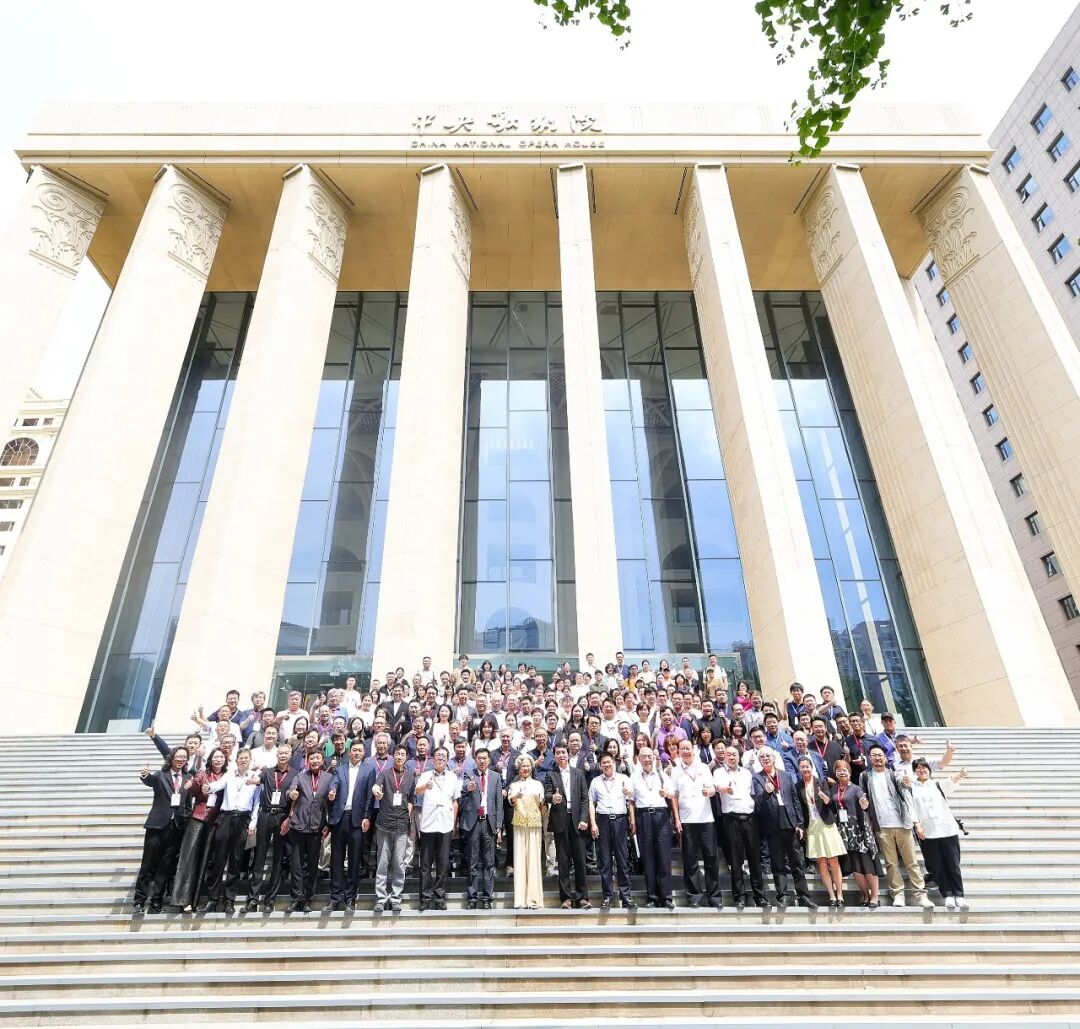

On June 12, the special session themed Sound as the Path Connecting East and West — Academic Forum on Natural Acoustic Environment Creation for Performance Spaces under the "10+10" Architecture Forum, a key event of the Science and Technology Month organized by China IPPR International Engineering Co., Ltd., was successfully held at the China National Opera House, which was co-sponsored by the Performance Venue Design Branch of China Entertainment Equipment Technology Association and Jinman Art Studio of Peking University Opera Institute.
The forum gathered cross-field specialists including architects, artists, vocalists, acoustic engineers, stage equipment experts, theatre operation managers and interior designers to carry out innovative, immersive academic exchanges.
Attendees included Academicians Cui Kai and Zhuang Weimin of the Chinese Academy of Engineering; Foreign Member of the Chinese Academy of Engineering Kang Jian; Fu Gaowu, Chairman of the China Entertainment Equipment Technology Association; Huang Zengguang, Director of the General Affairs Department of the Association; Wang Shuping, President of the Performance Venue Design Branch of the Association and former Deputy Director-General of the Quality and Safety Department of the Ministry of Housing and Urban-Rural Development; Li Haixin, General Manager of CAMC Engineering Co., Ltd. and Chairman of China IPPR International Engineering Co., Ltd.; Sun Zonglie, Senior Chief Architect and Consultant of China IPPR; and Jin Man, Founding Dean of the Peking University Opera Institute and distinguished opera performer. The forum was co-hosted by Qi Bin, Chief Architect of Tsinghua University Architectural Design & Research Institute Co., Ltd., Vice President and Secretary-General of the Performance Venue Design Branch, and Zhu Yilei, Vice President of the Second Architectural Design Institute of China IPPR.
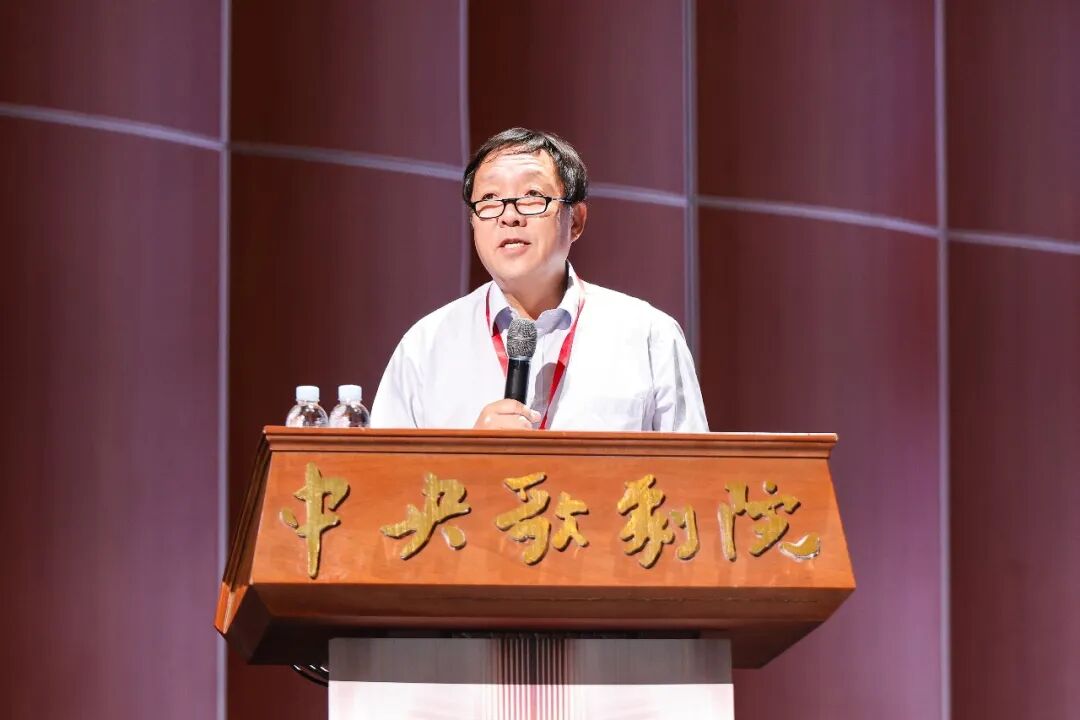
During the forum, Academician Cui Kai delivered a speech in which he reviewed his cooperation experience with Mr. Alain Tissier, a French acoustics expert. He noted that digital simulation technology has broken the barriers of experience-based acoustic design, affirmed the fruitful achievements of China IPPR in performing arts architecture, commended Mr. Sun Zonglie for his long-term dedication to the cultural and performing arts sector, and expressed his expectation that this forum would boost industrial innovation and talent cultivation.
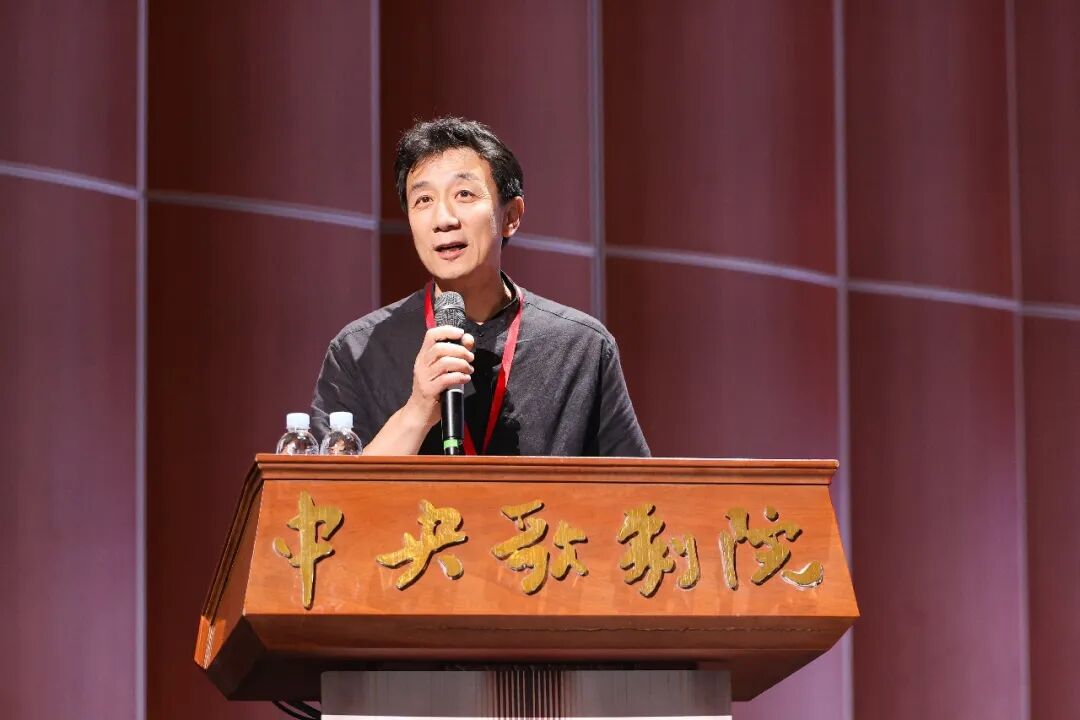
In his address, Academician Zhuang Weimin extended his congratulations to the co-organizers, namely the Performance Venue Design Branch of China Entertainment Equipment Technology Association and Jinman Art Studio of Peking University Opera Institute, as well as the event organizer China IPPR International Engineering Co., Ltd. He thanked the industry association for establishing an academic exchange platform, stated that the completion of landmark theatres serves as a vital practice to advance the strategy of building a culturally powerful country, pointed out that the sustainable operation of theatres merits in-depth discussion, and hoped that the forum would facilitate in-depth exchanges and inspiring collisions of ideas among participants.
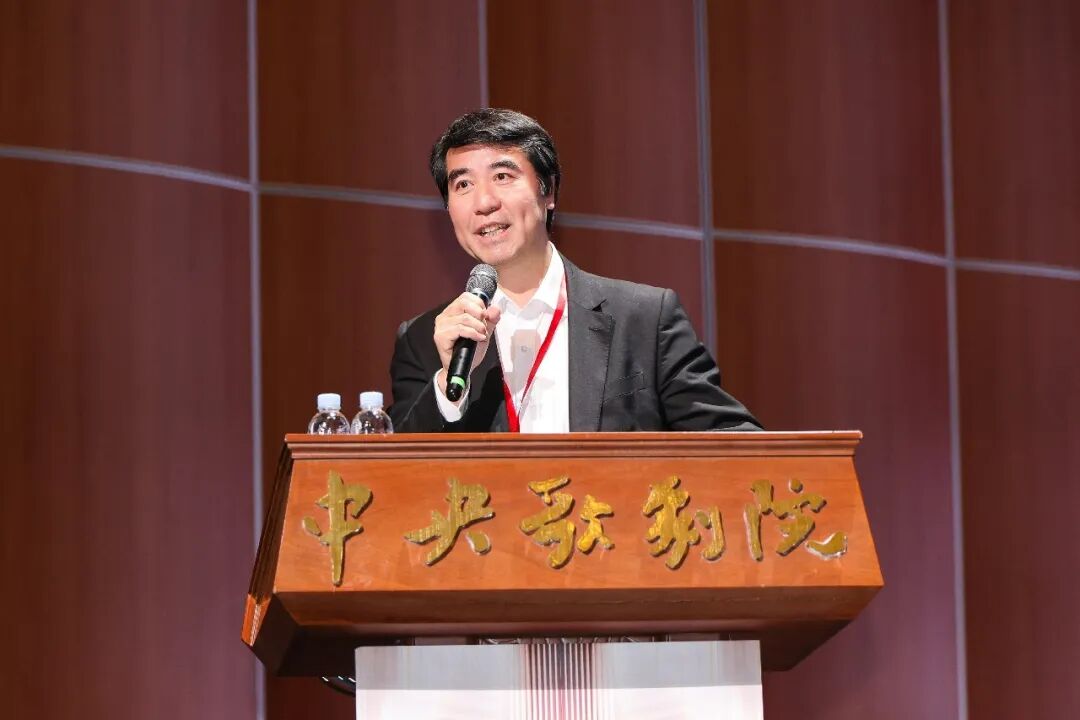
In his speech, Foreign Member Kang Jian looked back on his early career beginnings when he conducted research on theatre acoustic models at Tsinghua University. He proposed exploring the acoustic evolution laws of traditional Chinese performance venues and establishing an acoustic evaluation system suitable for Chinese national music. He stressed the significance of deep integration between architecture and acoustics as well as the linkage of audio-visual perception, and fully recognized the value of this cross-disciplinary exchange forum.
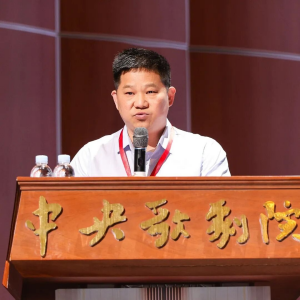 ?
?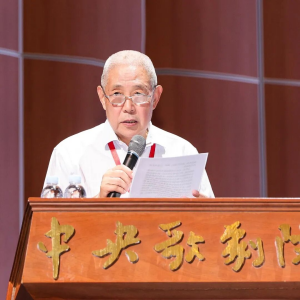
In their addresses, Fu Gaowu and Wang Shuping extended greetings to all co-organizers, the event undertaker and attending guests. They emphasized that acoustics constitute the core soul of theatres, calling for in-depth integration of acoustics, art and architecture, and spoke highly of the outstanding contributions made by China IPPR in the field of performing arts architecture. They also proposed boosting industrial innovation through cross-disciplinary collaboration and mutual learning between Eastern and Western concepts, so as to advance the design of domestic performance venues and fuel the prosperous development of literary and artistic undertakings in China.
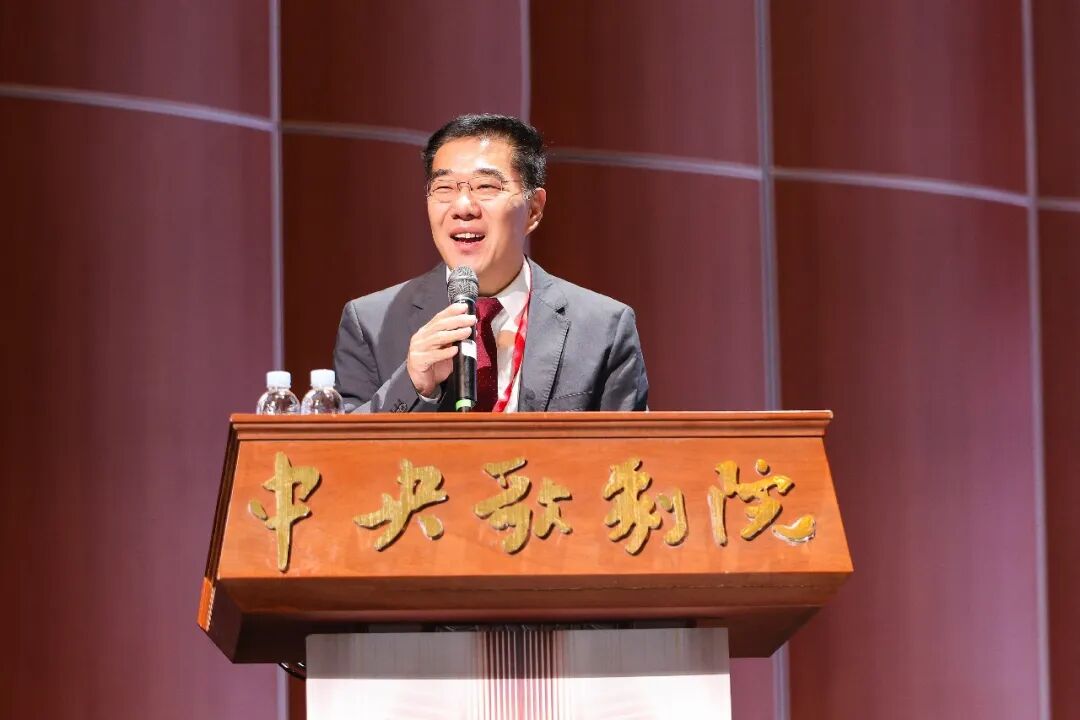
In his address, Li Haixin extended a warm welcome and sincere gratitude to all attending academicians, artists and guests from all walks of life. He introduced that China IPPR has long been committed to the field of performance architecture, having delivered more than 30 professional projects including the Mei Lanfang Grand Theatre, compiled and participated in drafting a number of relevant industrial standards, and realized the harmonious coexistence of technology and art relying on Sino-foreign cooperative acoustic platforms. This forum aims to interpret the vitality of performance architecture, integrate Eastern and Western ideas and carry forward dialogues between ancient and modern concepts, and he looks forward to in-depth exchanges among all participants.
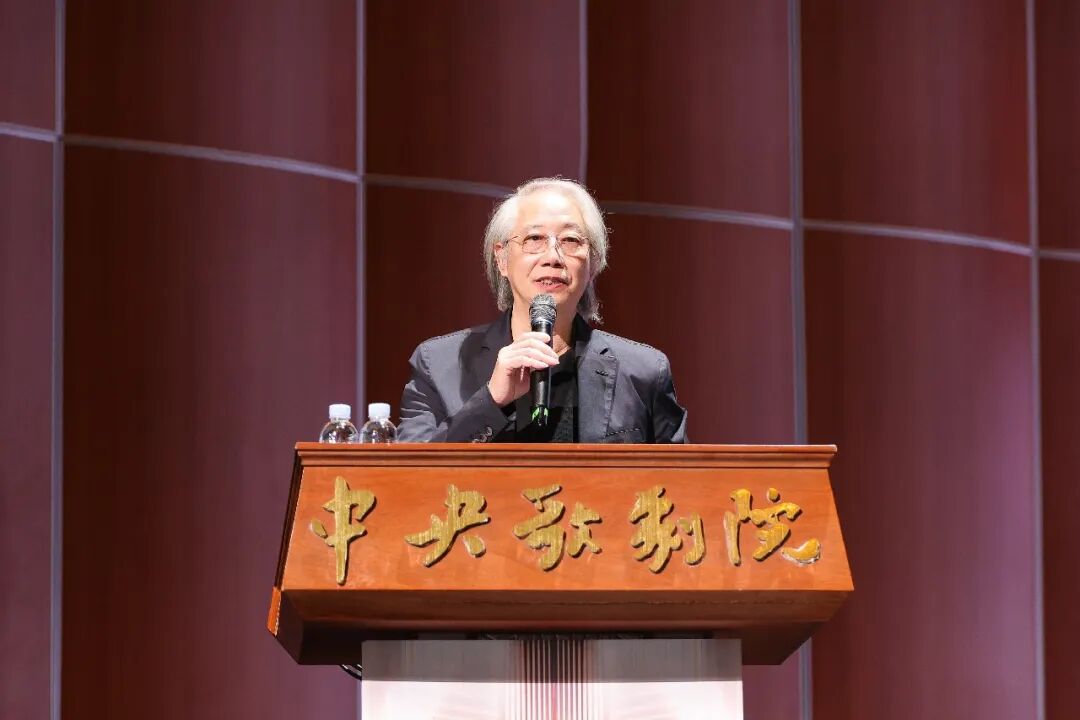
In his address, Sun Zonglie stated that leveraging the cross-industry platform of the Performance Venue Design Branch, this forum brings together practitioners from diverse fields such as architects, artists and acoustic designers. Taking the acoustic space experience at the China National Opera House as a carrier, it creates an industry gala integrating on-site immersive experience and professional academic exchanges.
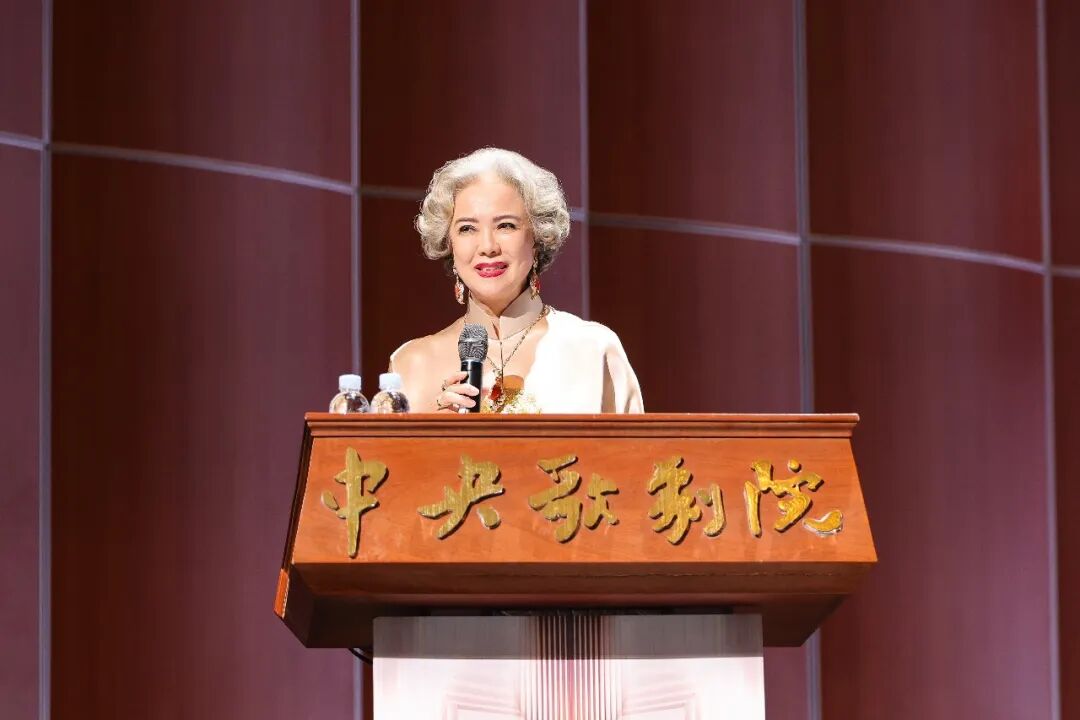
In her address, Jin Man shared that she has maintained a nearly 20-year partnership with China IPPR through various project collaborations. She held that the human voice is the most authentic artistic medium requiring no intermediaries, and opera carries immense vital energy. The resonance between creators and audiences generates a flowing cultural force. She invited all guests present to immerse themselves in the forum and become witnesses and participants of the harmonious interplay between art and architecture.
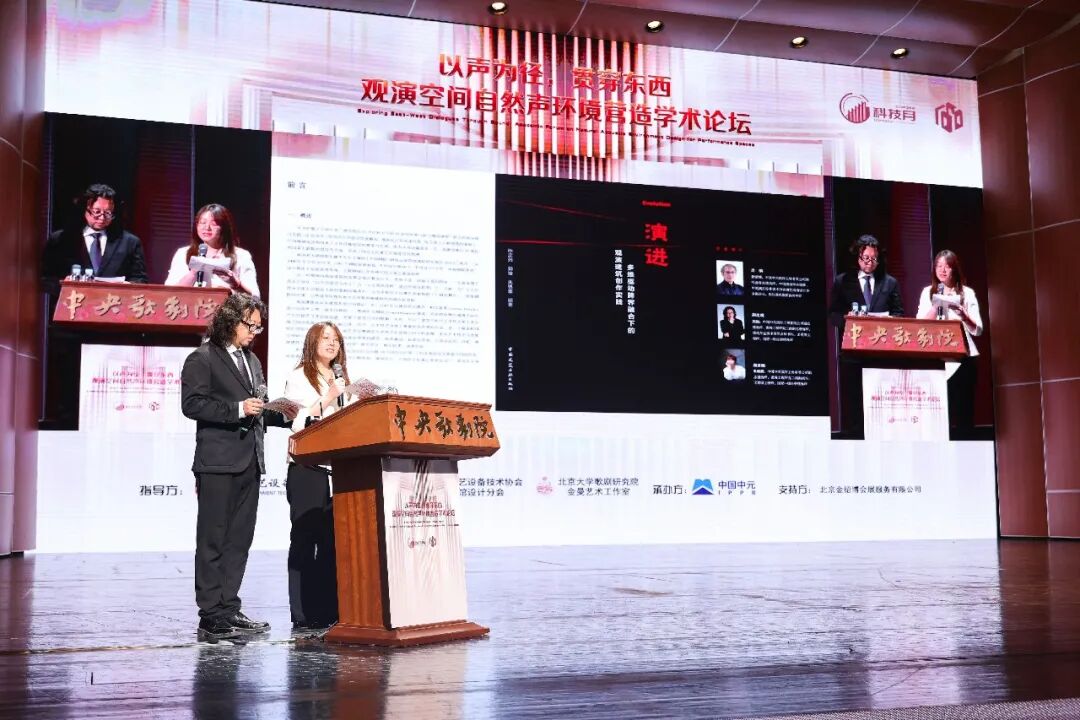
Prior to the official commencement of the forum, Guo Jun, Deputy Chief Architect of China IPPR, and Gui Yu, Director of the Acoustics and Vibration Control Technology Center (Sino-France IPPR Tissier Acoustic Studio), jointly briefed the attendees on the launch of the new book Evolution and the 20th Anniversary Commemoration of the Sino-France Acoustic Studio.
The book Evolution systematically summarizes China IPPR’s over 20 years of practice in performance architecture. From an innovative driving perspective, it thoroughly analyzes the historical context, cultural demands, technical challenges and creative thinking behind each project. Adhering to the concept of full-process acoustic control, the Sino-France IPPR Tissier Acoustic Studio provides core technical support for projects. The book and the studio complement each other, jointly illustrating the profound integration of architecture, acoustics and culture.
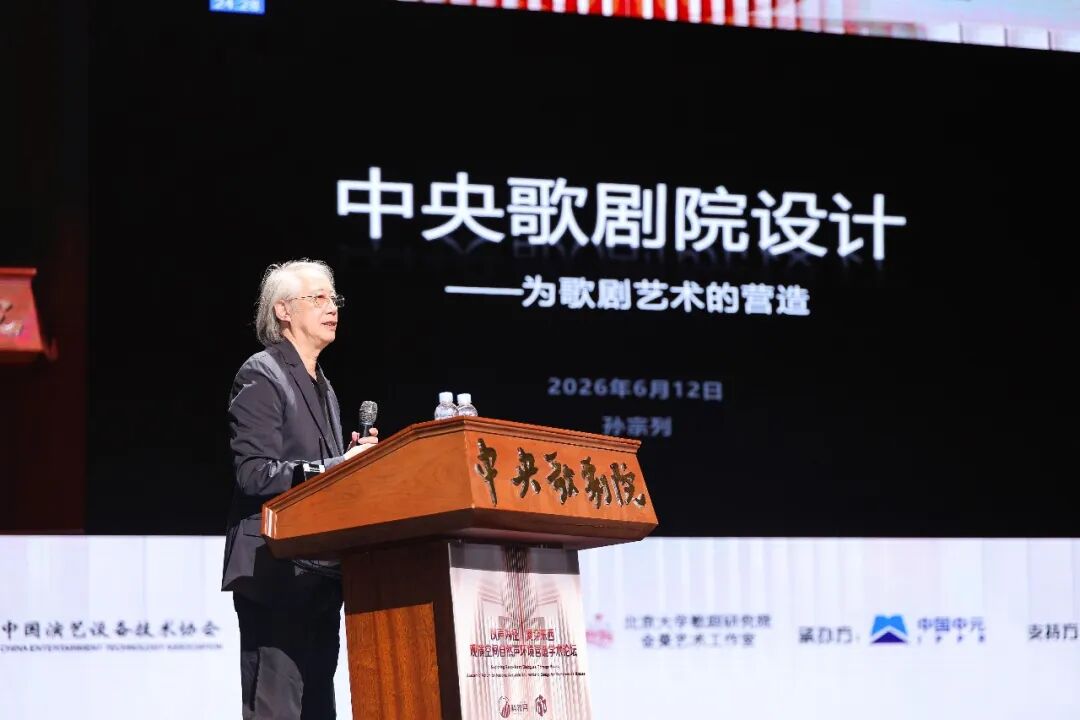
Sun Zonglie delivered a speech titled?Design of China National Opera House — Creation for Opera Art. As the chief designer of the project, he introduced to the guests that the China National Opera House is a key cultural construction project in response to the national policy of "One Troupe, One Venue", with limited construction space as its primary design challenge. Centered on artistic content, the design was tailor-made for opera art, dedicated performing troupes and individual artists. The architecture embodies China’s cultural confidence in the new era — an open, inclusive and respectful attitude towards outstanding global cultures. With unique design logic and architectural language of Chinese architects, it reshapes an architectural landmark belonging to this era and the city.
 ?
?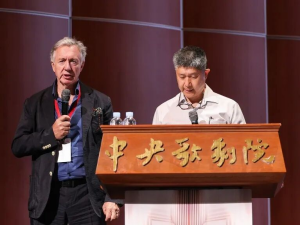
Gui Yu delivered a speech titled From Tuning to Reverberation — The Acoustic Vision and Its Realization of China National Opera House. He presented the complete and successful application of the acoustic working methodology of "acoustics first, full-process control and cross-disciplinary collaboration" adopted for the venue. Thanks to the joint efforts of Germany’s BBM and the China IPPR team, the opera house has achieved world-class acoustic performance. Alain TISSEYRE, Founder and CEO of Tissier Acoustique France and French lead of Sino-France IPPR Tissier Acoustic Studio, gave a speech entitled Reverberations Across Time and Space — Evolution of Concert Halls and Opera Houses, illustrating the developmental evolution of performance venues shaped by varying understandings of acoustic phenomena throughout different historical periods.
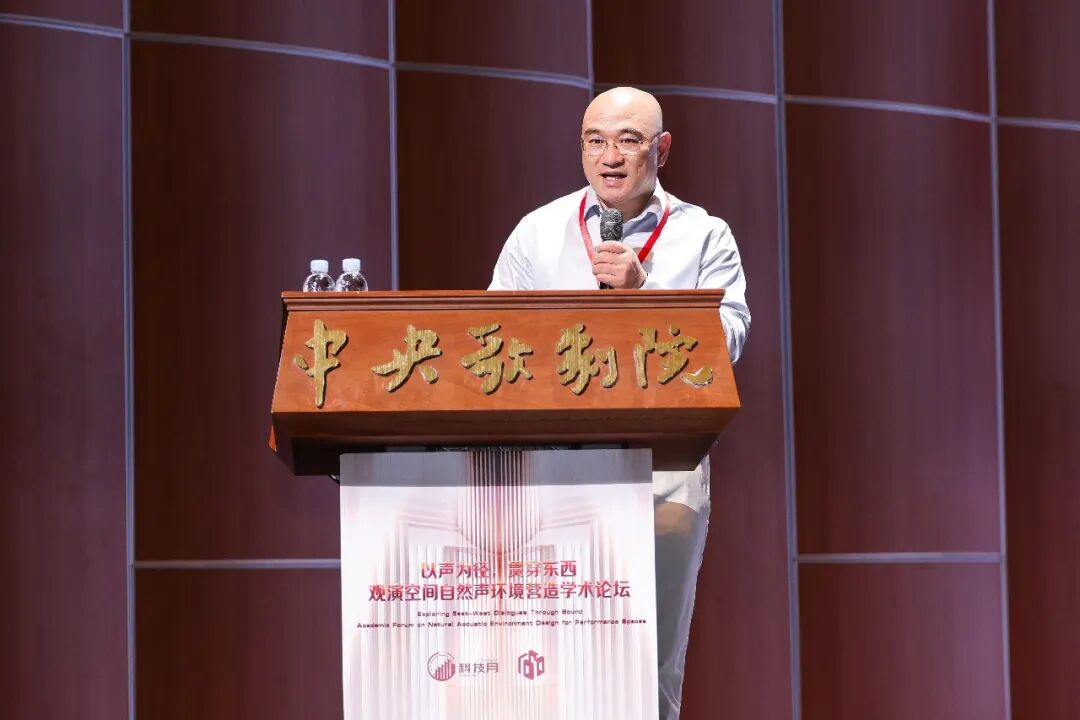
Yang Yang, Professor at the Institute for History of Science and Technology and the School of Music of Shanxi University, and Director of the Ancient Stage Acoustics Laboratory, shifted the forum’s discussion to the context of Eastern traditions with his speech Research on the Haas Effect in Ming-Dynasty Opera Stages — On Formulating Acoustic Measurement Standards for Traditional Theatrical Stages. Through subjective evaluation and objective measurement, he verified the existence of the Haas Effect at the Jiyi Temple Stage in Xinjiang County built during the Zhengde reign of the Ming Dynasty.
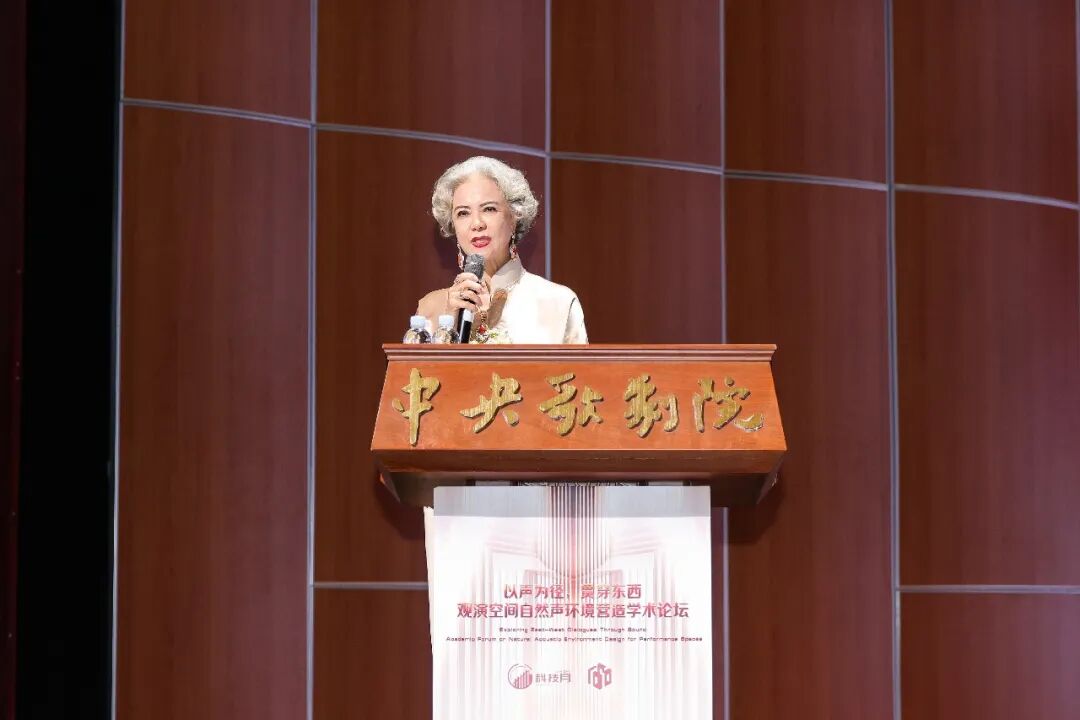
As the chief artistic planner and invited artist of the forum, renowned opera performing artist Jin Man delivered a speech titled Theatre as a Vital Energy Field: A Dialogue Between Ancient and Modern Times. From the perspective of a performer combined with her personal experience, she shared her vocal performance experience within the sophisticated sound fields of ancient Chinese opera stages.
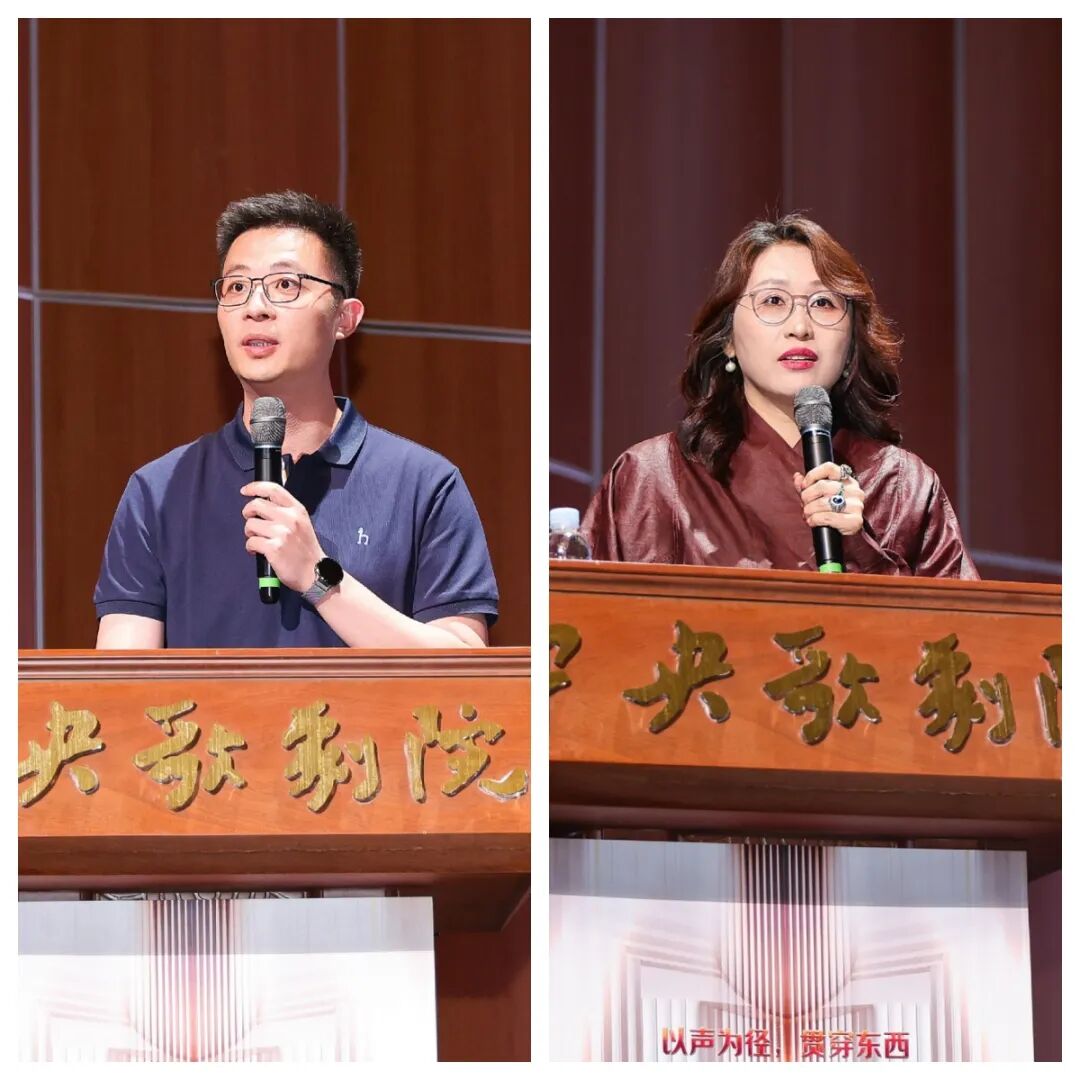
Qin Yi, expert of the Audio Professional Committee under China Stage Art Society, took the electroacoustic configuration under the natural acoustic performance mode of China National Opera House as an example and delivered a speech titled Acoustics, Art and Architecture: The Ternary Symphony of K&F Audio Systems at China National Opera House, elaborating on how to achieve harmonious balance between architectural acoustics and electroacoustics in opera houses, concert halls and outdoor opera venues. Zhu Yilei presented a speech entitled Space Constructed by Sound — Dialogue Between Architecture and Acoustics, which fully demonstrated the evolutionary context of performance venue design upgraded alongside industrial demands based on nearly 30 years of design practices of China IPPR from four dialogue dimensions. Centering on sound as the medium, all speakers focused on the innovation and integration of performance spaces from three dimensions of acoustics, art and architecture, jointly presenting an interdisciplinary academic feast integrating Eastern and Western wisdoms.
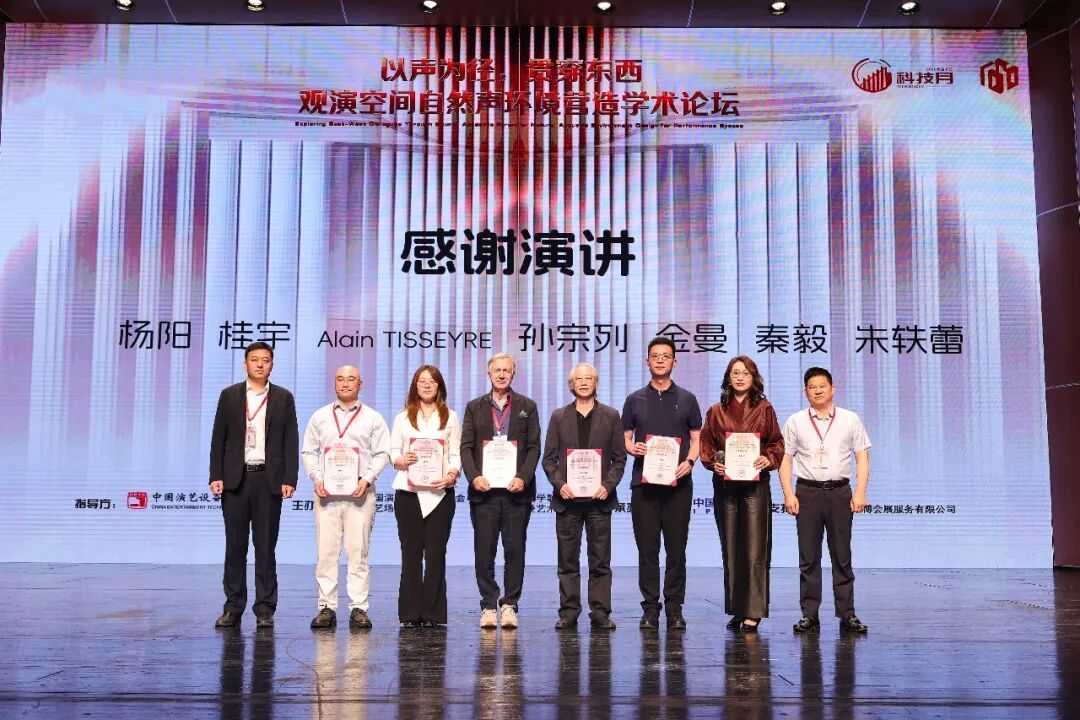
After all speeches concluded, Fu Gaowu, Chairman of China Entertainment Equipment Technology Association, and Zhang Xiangrong, Deputy General Manager of China IPPR International Engineering Co., Ltd., presented certificates to the seven keynote speakers.
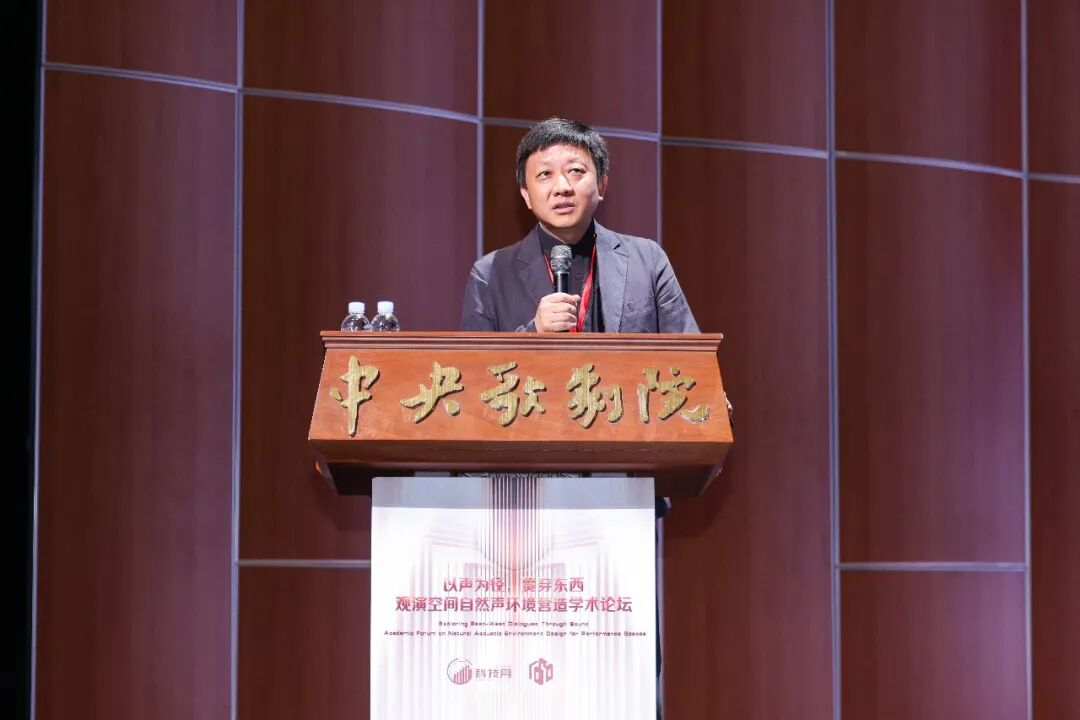
In the closing session, Qi Bin delivered an academic wrap-up of the forum and hailed it as a grand event offering an outstanding audio-visual experience. He pointed out that acoustics is an indispensable environmental element of architecture that satisfies both practical demands and high-quality standards. Drawing on his on-site visits to European theatres and the live experience at the China National Opera House, he noted that the coordination of architectural acoustics and electroacoustics will be a key research direction for the industry in the future.
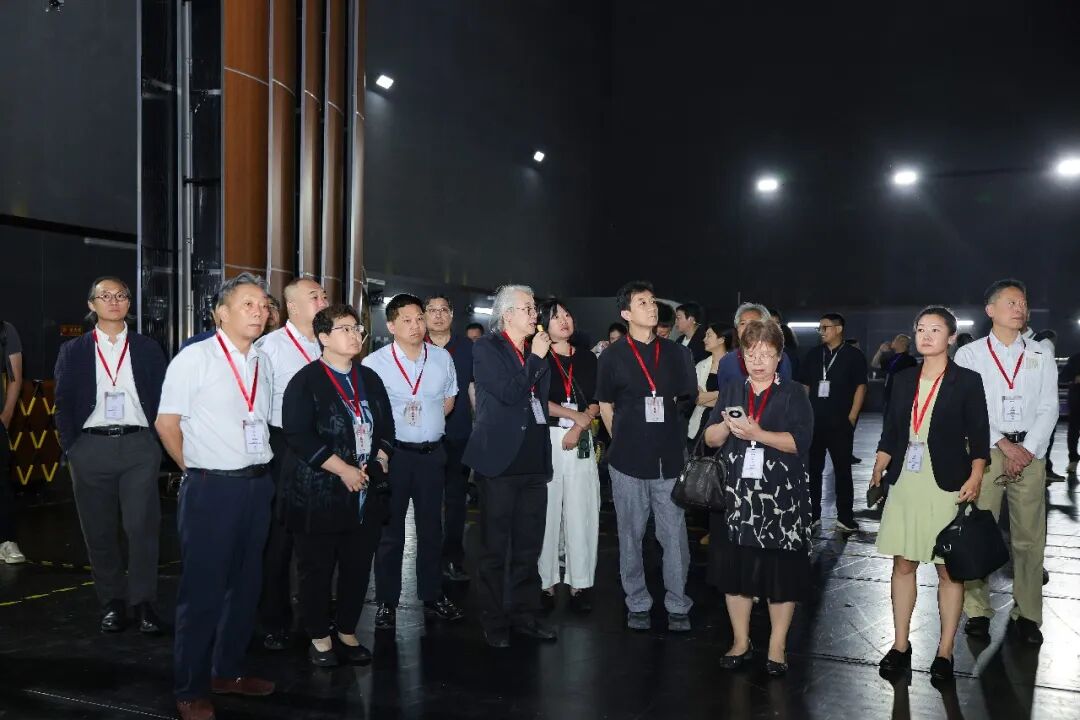
Prior to the forum, participants were guided on a tour covering the lobby, auditorium, stage, dressing rooms, small theatre, multi-purpose rehearsal hall and other areas of the China National Opera House. Departing from conventional exchange formats, the tour allowed guests to experience the spatial layout and backstage facilities of this national-level theatre in person.
As a vice-president entity of the Performance Venue Design Branch under China Entertainment Equipment Technology Association, China IPPR International Engineering Co., Ltd. has long been committed to advancing professional innovation and industrial collaboration within the cultural and performing arts sector. The successful holding of this forum aims to further boost academic exchanges and industrial development of cultural and performing arts sectors between China and Western countries, elevate the academic influence of the industry. Meanwhile, this high-standard academic event showcases China IPPR’s image as a technology-driven enterprise, strengthens the academic brands of Science and Technology Month and the "10+10" Architecture Forum, and enhances the company’s brand recognition and reputation in the field of performance architecture.