

Li Haixin Carries Out Unannounced Special Safety Inspection in Qinhuangdao
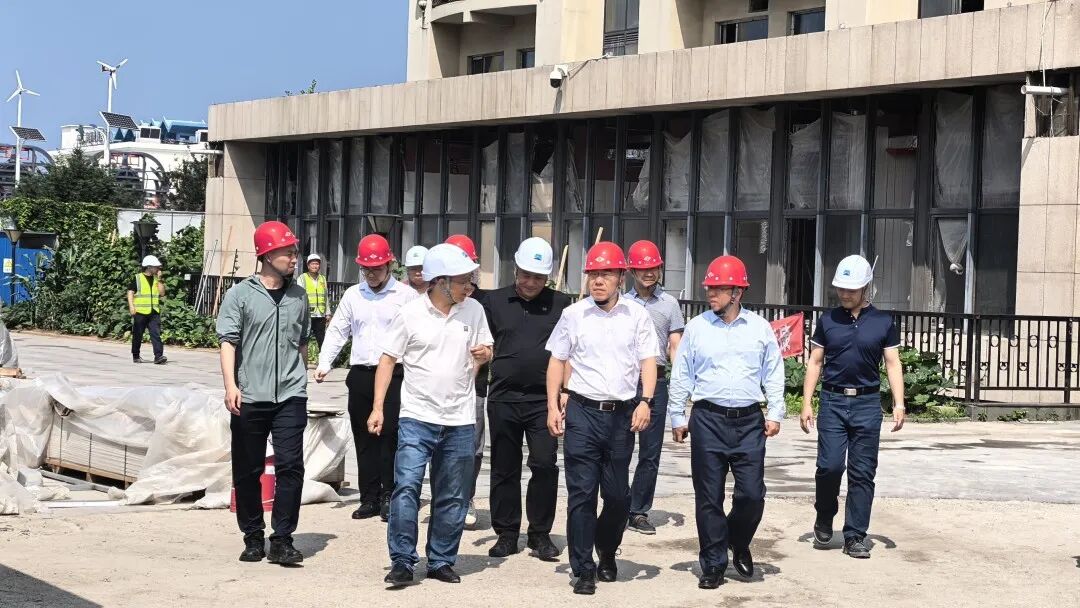
To fully implement the work plans on work safety supervision released by the State-owned Assets Supervision and Administration Commission (SASAC) and SINOMACH Group, consolidate projects’ primary responsibilities for safety, quality and environmental protection, and prevent construction risks in flood seasons, Li Haixin, President of CAMCE and Chairman of China IPPR, led an inspection team to carry out an unannounced special safety inspection on July 8 at the Qinhuangdao Seaview Hotel renovation project designed by China IPPR. The inspection adopted the "Four Nos and Two Directs" mode: no prior notice, no advance briefing, no dedicated work report session, no accompanying staff, direct access to grassroots work sites and direct entry to construction zones. Yang Zhigang, Deputy General Manager of CAMCE, took part in the inspection.
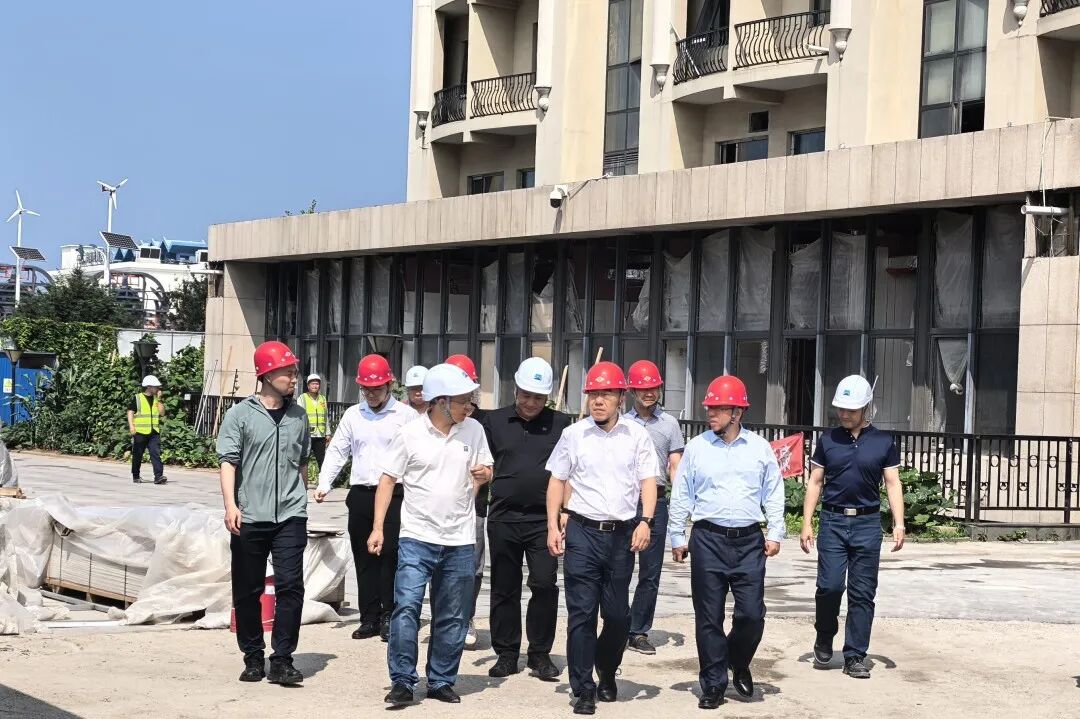
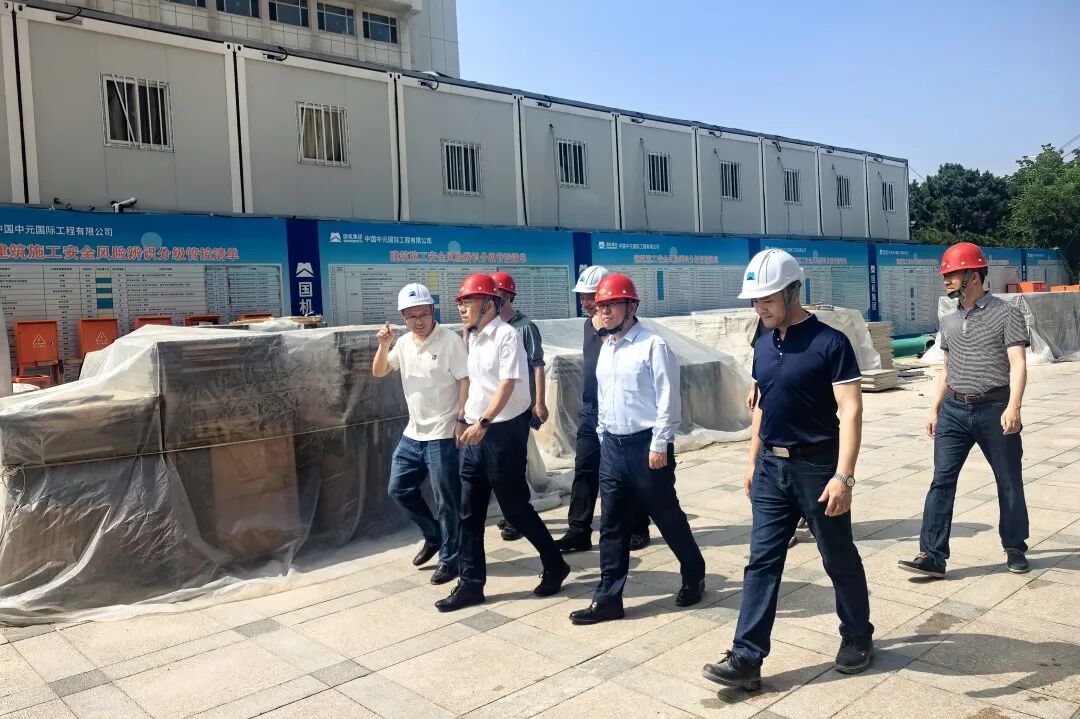
Ma Haichuan, Project Manager, reported to the inspection team on project overview, construction progress, on-site management and control, as well as follow-up construction schedules, with a focus on safety, quality and environmental protection management measures already put in place. The inspection team went deep into construction areas, conducted itemized checks of temporary power distribution, mechanical equipment, fire prevention and other key items, pinpointed existing hidden risks in safety, quality and environmental protection on site, and clarified unified rectification standards and deadlines.
Yang Zhigang stated that the project department shall conduct advance overall planning, scientifically arrange all construction tasks, strictly enforce compliance management, and realize refined full-process project control. All safety, quality and environmental protection requirements must be fully fulfilled to ensure all management measures are implemented on site. In addition, comprehensive oversight shall be exercised over all cooperating subcontractors, with institutional frameworks and operational specifications incorporated into the company’s unified management system.
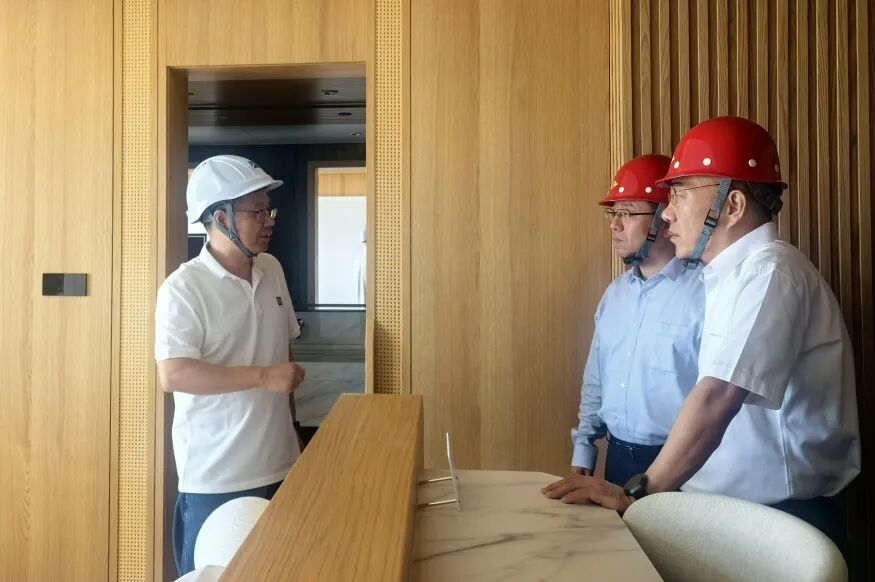
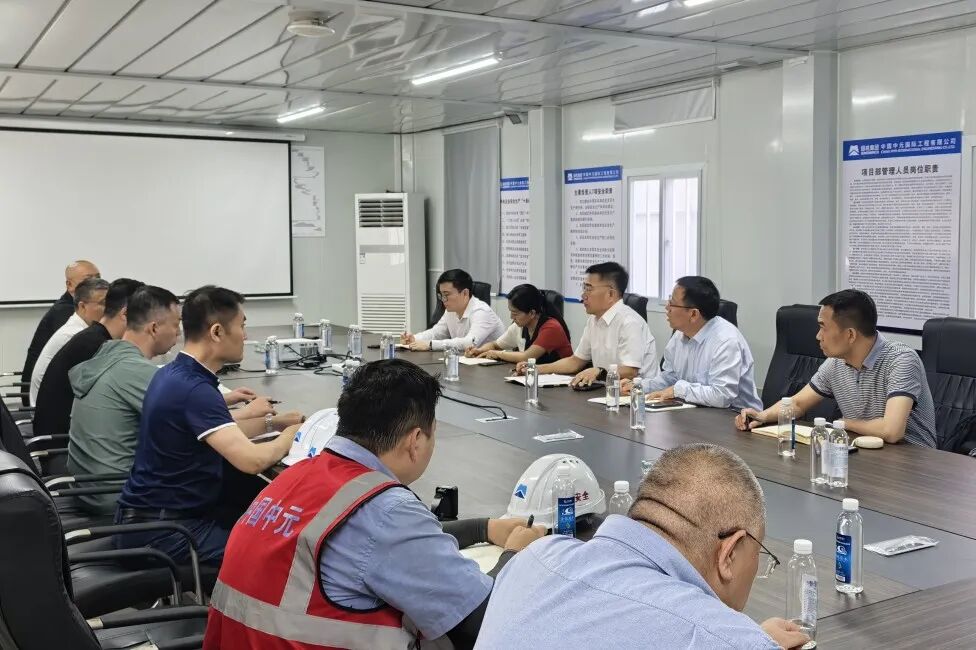
Based on problems identified during the safety inspection, Li Haixin put forward three key requirements:
First, strengthen risk awareness and firmly safeguard the red line of work safety. The project team must strictly abide by industrial standards and corporate regulations, foster company-wide safety awareness, standardize on-site operating procedures, eliminate hidden risks at the source, and deploy scientific emergency response plans.
Second, launch regular benchmark evaluations and self-inspections to eliminate hidden dangers dynamically. In strict accordance with judgment standards for major safety hazards, full-coverage grid-based self-inspections shall be conducted on a routine basis. Whole-process compliance control over major risks shall be enforced, risk and hidden danger ledgers improved, a closed-loop rectification and clearance mechanism implemented, and long-term regular special hazard remediation continuously promoted.
Third, set high benchmark standards and continuously upgrade comprehensive management capacity. Aiming to build a model high-quality project and showcase the corporate brand image, the project shall adopt stringent standards for safety and quality control, and upgrade overall project management capabilities through on-site construction practice.
Li Haixin stressed that zero concessions shall be made on work safety. All staff must abandon the careless attitude of "letting minor problems slide", uphold the core principle that "hidden dangers equal potential accidents", and adopt a zero-tolerance stance against all safety hazards. As the primary person accountable for the project, the project manager shall fully undertake the primary responsibility for work safety, reasonably balance construction schedule and safety control, and fully carry out all rectification requirements raised in this inspection. All staff must strictly observe three non-negotiable bottom lines: work safety, project quality and ecological environmental protection, and fully deliver all work safety management targets and tasks.
Relevant personnel from CAMCE’s Work Safety Department and Engineering Management Department accompanied the inspection.





